
Resilience, Recovery, and Renewal in the Face of COVID-19
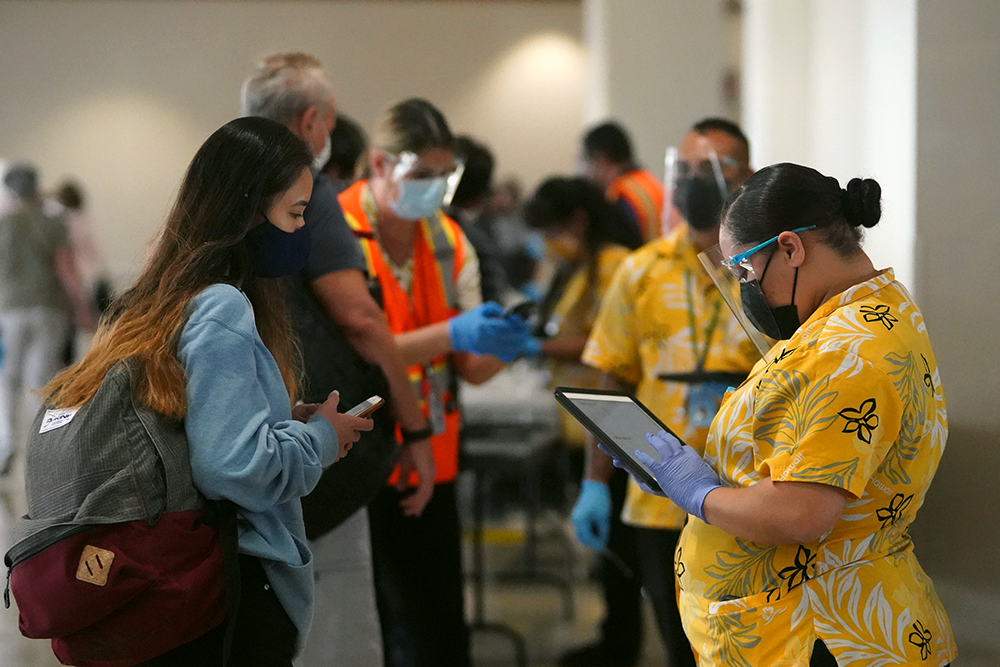
The COVID-19 pandemic, beginning in early 2020, presented an unprecedented challenge to the State of Hawaiʻi, impacting every facet of life from public health and the economy to social norms and daily routines. Hawaiʻi, heavily reliant on tourism and vulnerable due to its geographic isolation, faced unique complexities in managing the crisis. Under Governor David Ige's leadership, the state implemented a comprehensive response strategy aimed at prioritizing public health, safeguarding the community, and mitigating the pandemic's widespread effects.
Back then, no one could have imagined we’d be battling a global pandemic. Yet when we needed it most, Hawaiʻi stepped up. Governor Ige and the county mayors worked with the Department of Health, the Hawaiʻi Emergency Management Agency, the Healthcare Association of Hawaiʻi, and multiple state, county and federal agencies to keep us safe. Community groups reached out to help, and businesses reinvented themselves to survive. And the Hawaiʻi National Guard was everywhere to provide critical support. Because of the precautions taken and community cooperation, Hawaiʻi has fared dramatically better than most states. The virus may still be with us, but revenues are up and the economy is rebounding. In fact, the Commonwealth Fund ranked Hawaiʻi best in the nation on overall performance across 56 measures during the COVID-19 pandemic.
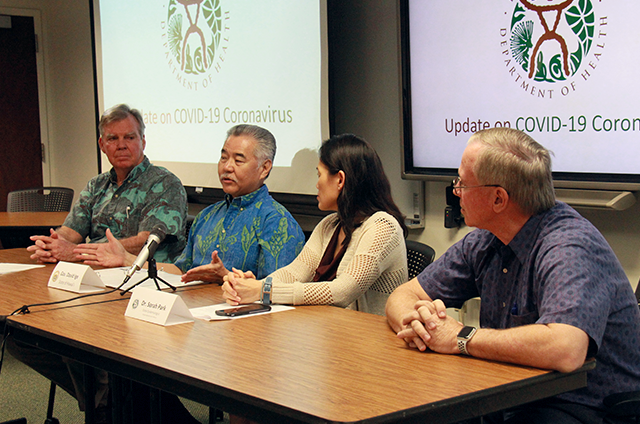
The State of Hawaiʻi's response to the COVID-19 pandemic under Governor Ige's leadership involved a strong focus on public health, community collaboration, economic support, and adaptability. The administration faced unique challenges and implemented comprehensive measures to navigate the crisis and protect the people of Hawaiʻi.
The governor believed that an all-of-government approach was needed, and that the public needed to hear one voice to avoid confusion.He began weekly meetings with county mayors, state and federal agencies, and healthcare partners to provide decisions and clear direction.
Governor Ige consistently emphasized the importance of community cooperation and collective responsibility in managing the pandemic.
The administration's actions, such as adjusting restrictions and vaccination plans, were based on case counts, hospitalization rates, and scientific data.
The response evolved as the pandemic changed, with adjustments made for new variants, vaccination availability, and changing circumstances.
The documents show coordination between state agencies, county governments, healthcare providers, and federal partners.
Vaccination was consistently promoted as a critical tool for controlling the pandemic and returning to normalcy.
From the Front Lines
These leaders played crucial roles in shaping Hawai'i's response to the COVID-19 pandemic and navigating the challenges it posed to public health and the economy.

"The governor always approached issues from the standpoint of what’s good for our people and the state — not only in the here and now, but for future generations"
“We need to move at the pace of an unprecedented crisis.”
"Responsiveness is our center of gravity. To be responsive we must anticipate needs, then resource and organize ourselves to meet those needs. So when the request comes, we can respond immediately.”
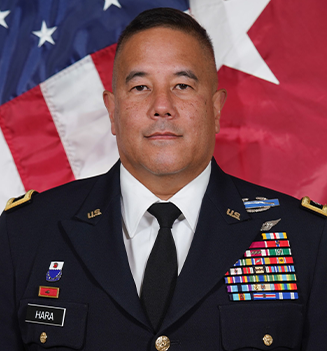
Maj. Gen. Kenneth Hara has spent 38 years handling disaster response for Hawai‘i, but he said COVID-19 has been “the hardest and most challenging of my career.” Hara wore several hats — as the adjutant general and commander of the Hawai‘i Army and Air National Guard; director of the Hawai‘i Emergency Management Agency; and as director of the Hawai‘i Office of Homeland Security. He was appointed the State of Hawai‘i’s overall incident commander in March 2020 for COVID-19, which meant helping to coordinate multiple elements of prevention, detection, containment and treatment of the disease, in partnership with the state’s Department of Health and numerous other agencies.
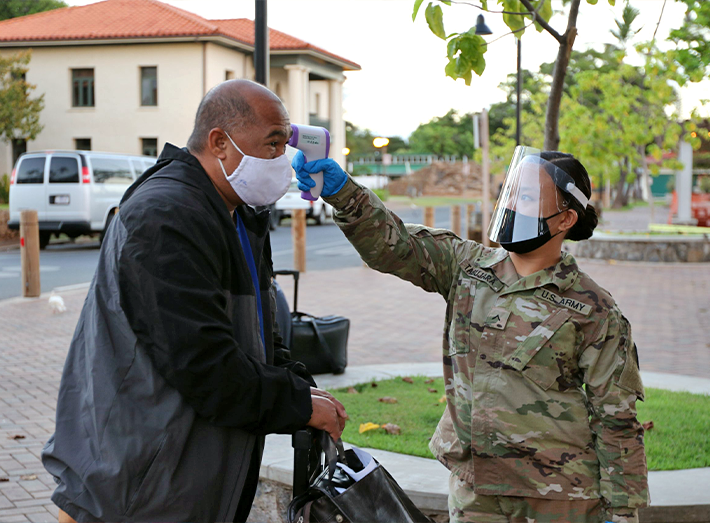
The Hawai‘i National Guard activated over 1,800 soldiers and airmen to create a Joint Task Force in support of the state’s efforts against COVID-19. All elements of the Hawai‘i National Guard were activated during this pandemic: the HING Joint Staff, the Hawai‘i Army National Guard, and the Hawai‘i Air National Guard. Some of the missions they have done include airport screening and working with the Department of Transportation, COVID-19 mapping with the Department of Health, COVID-19 swabbing in the prisons with the Department of Public Safety, construction of shelters on Maui, food distribution, Personal Protective Equipment procurement and logistical support, and much more.
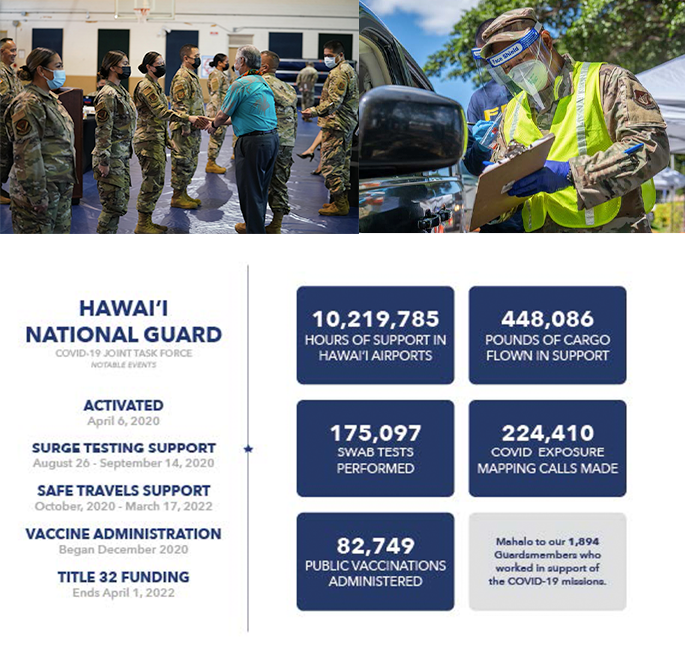
The Hawai‘i Army National Guard Joint Task Force carried out a wide variety of missions supporting county, state, and federal emergency responders.
Medical and Public Health Support:
- Administered vaccinations and rapid swab tests.
- Supported community-based testing sites.
- Conducted COVID-19 mapping and contact tracing with the Department of Health.
- Provided N95 mask fit testing, COVID education, and training in high-risk communities and correctional facilities.
- Distributed vaccines to Guardsmen deployed to various islands.
- Supported the Department of Health with medical aid and swabbing tests.
Logistical and Operational Support:
- Screened airport and harbor arrivals, conducted temperature checks and processed Safe Travels applications.
- Personal Protective Equipment (PPE) procurement, inventory, logistical support, and distribution.
- Facilitated logistical support and transportation of key supplies.
- Assisted in state emergency operations centers.
- Provided logistical warehouse support and transported beds and medical equipment.
Community Relief Efforts:
- Staffed food banks and distributed food.
- Assisted with unemployment claims processing.
- Provided labor for call centers.
- Constructed shelters on Maui.
Security and Enforcement:
- Provided security and traffic control for food distribution and other events.
- Assisted county police with beach patrols and roving checkpoints.
- Provided security for unemployment offices.
On March 15, 2022, the HING JTF transitioned its remaining COVID-19 responsibilities back to the state, marking the end of the longest and most complex state activation in its history. The more than 1800 National Guard members contributed 10.2 million man-hours of support at airports statewide, moved 448 thousand pounds of cargo, performed 175 thousand Covid-19 swab tests, completed 224 thousand Covid exposure mapping calls, and 82 thousand vaccinations administered to the public.
The Hawai‘i Way: Partners in Pandemic Survival
The bottom line: An ‘Ohana Nui approach and an unprecedented collaboration during the Ige administration between the departments of Health and Human Services has resulted in major benefits for community members who most need state services. Despite the pandemic, in 2022 Hawai‘i was named one of the healthiest states in the nation.
Here’s just a sampling of how the Ige administration, working with county mayors, state departments, the legislature, healthcare workers, community stakeholders and federal partners, provided the support people needed at the height of the pandemic:
Medicaid enrollees increased by 36% and some 32,000 families were added to SNAP and $6.6 billion in benefits were distributed. Nearly $80 million went to support childcare providers when parents went back to work, and more than 97,000 eligible students received $61 million in food assistance. The state Department of Human Services,which approved thousands of requests, averaged a two-day processing time to respond to the emergency. Through Da Bux program, the state matched a half million dollar donation from a hui of private sector partners to double the value of SNAP benefits.
The Department of Labor and Industrial Relations overcame an antiquated mainframe system to provide $6.5 billion in unemployment insurance benefits and assistance.
The pre-loaded $500 debit cards, funded with $75 million in relief funds, were mailed statewide to those who received unemployment benefits and provided a “win-win-win” for restaurants, local farmers and suppliers, and residents.
The state used federal funds to repay the state’s Unemployment Trust fund, saving millions of dollars for small businesses. It also provided more than 44,500 businesses and organizations in Hawai‘i with $3.8 billion through the Paycheck Protection Program. The $25 million Hawai‘I Business Pivot Grants reimbursed costs for small businesses and organizations that had to pivot their operations.
Distributed more than $416 million in rental relief and housing assistance when people needed it most. In a January 2021 article, “Rent Relief Needed Fast. Hawai‘i Shows How,” Forbes magazine reported on how the state overcame bureaucratic hurdles to get help to people and described it as a model for other states.