
Jet fuel in our Water: Unpacking the Red Hill Crisis
Understanding the Challenge
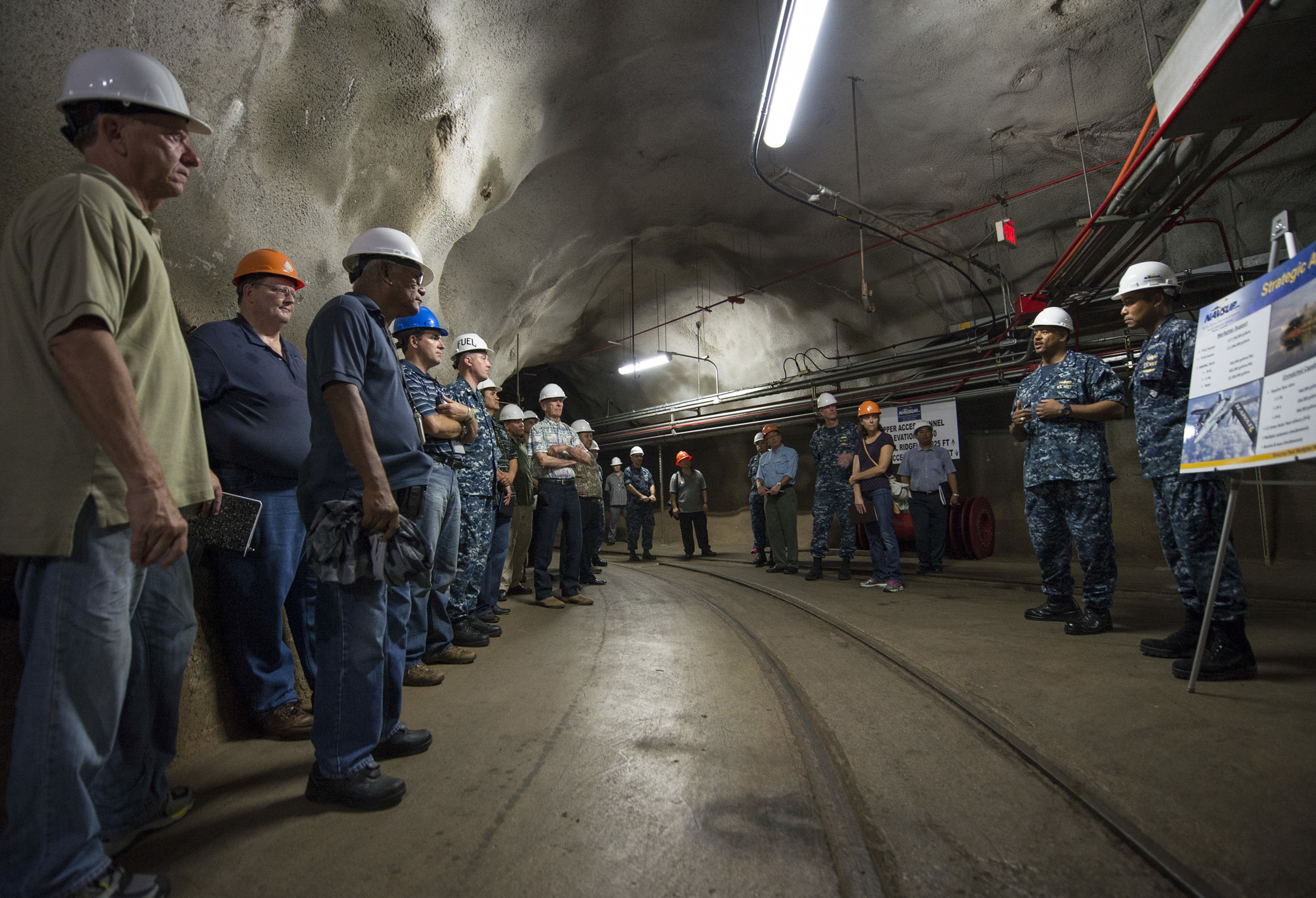
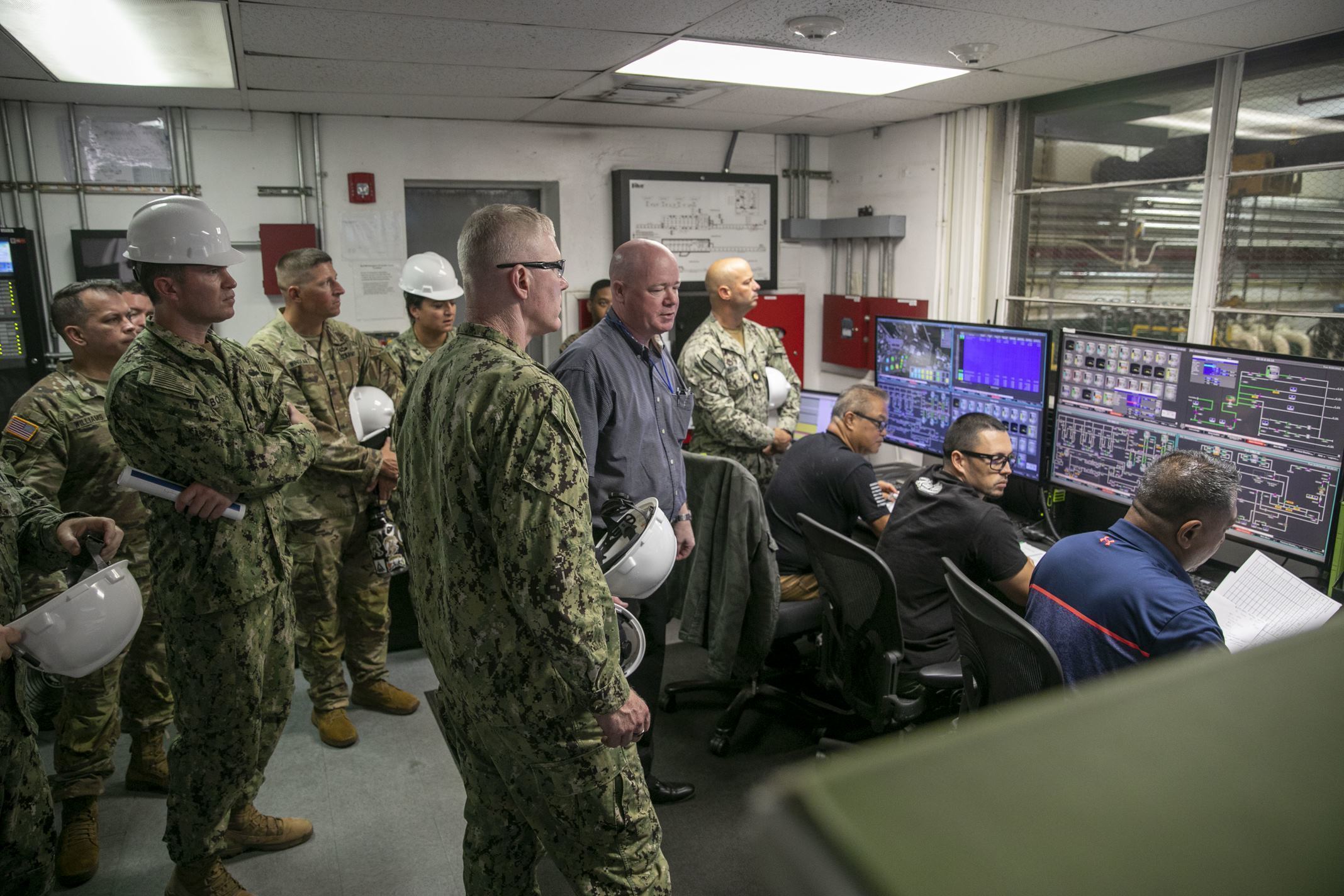
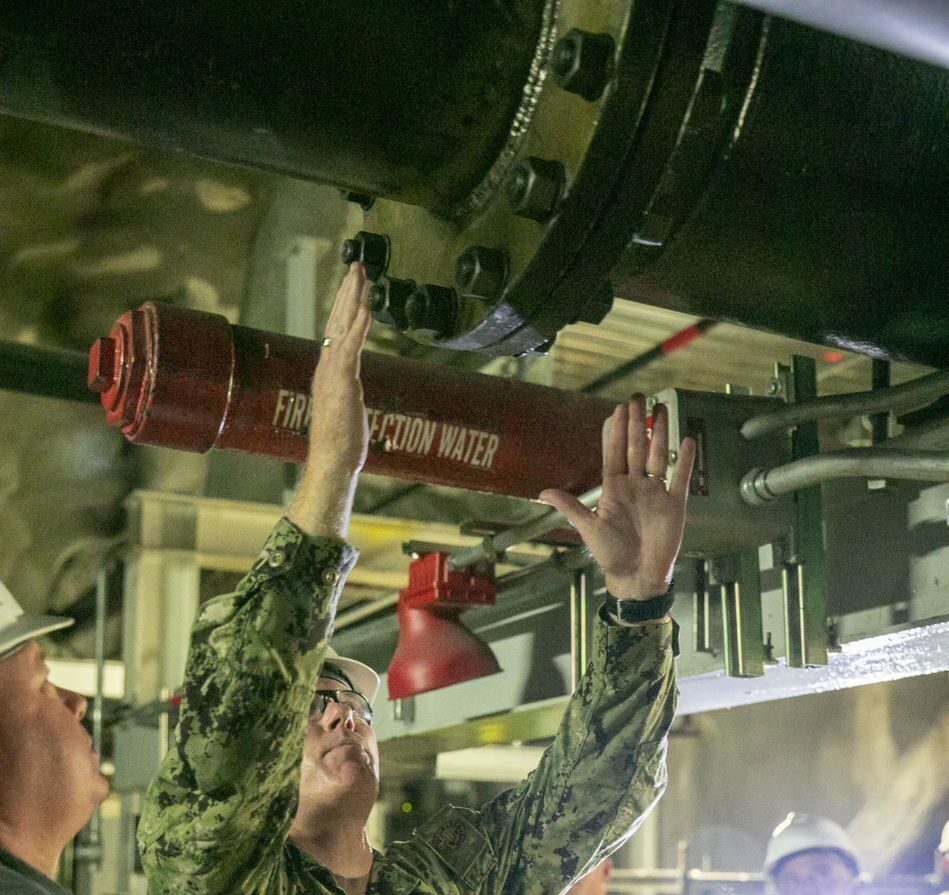
The Red Hill Bulk Fuel Storage Facility sits 100 feet above O‘ahu’s sole-source groundwater aquifer, which supplies 77% of the island’s drinking water. It consists of 20 underground steel tanks encased in concrete and constructed in the early 1940s in cavities mined in Red Hill under 100 feet of rock. Each tank is 100 feet in diameter and 250 feet tall, with a capacity of 12.5 million gallons. The facility can hold a maximum of 250 million gallons of fuel for ships and aircraft operating in the Pacific region.
In November 2021, teachers at Red Hill Elementary School reported a chemical smell from their faucets. Residents in military housing at Joint Base Pearl Harbor-Hickam complained of the smell of fuel from their drinking water. The Red Hill water crisis on O'ahu stemmed from fuel leaks in the U.S. Navy's Red Hill Bulk Fuel Storage Facility, a World War II-era complex. These leaks, particularly in early 2020 and 2021, severely contaminated the island's primary drinking water aquifer, impacting hundreds of thousands of residents and military families. Taking immediate and decisive action was crucial due to the direct threat to public health and safety, the vital importance of O'ahu's sole-source aquifer, and the urgent need to hold the Navy accountable for cleaning and safeguarding Hawai‘i's essential natural resources.
In December 2021, Governor David Ige's initial response to the Red Hill crisis involved:
- Calling for immediate suspension of operations: On December 5, 2021, Governor Ige publicly called on the Navy to "immediately suspend operations at Red Hill while they confront and remedy this crisis."
- Ordering suspension and action: On December 6, 2021, Governor Ige and the Department of Health formally ordered the Navy to further suspend operations until independent evaluators could ensure appropriate actions were taken to protect drinking water. They also ordered the Navy to treat contaminated drinking water and plan to remove the fuel.
- Emphasizing public health and safety: Governor Ige stated, "Hawai‘i's well-being and the safety of our residents, including military families, must come first. We cannot have national security without ensuring public health and safety."
Key events and actions in the Red Hill crisis
- May 6, 2021: A pressure surge during fuel movement caused a pipeline rupture, releasing about 20,000 gallons of fuel.
- November 20, 2021: A cart crashed into a fire suppression line, releasing more fuel from the May leak into the environment and contaminating the Navy's water system.
- December 7, 2021: Department of Health ordered the Navy to suspend operations at the Red Hill Bulk Fuel Storage Facility.
- December 8, 2021: Petroleum contamination was reported in the Navy's Aiea Halawa shaft, a water source.
- December 27, 2021: A state hearing officer issued a proposed order for the Navy to comply with the Department of Health's emergency order to drain the fuel tanks.
- March 7, 2022: The Secretary of Defense directed the Department of Defense to defuel and permanently shut down the facility.
- October 24, 2022: Defueling of the tanks began.
- March 2024: The Navy completed removal of the fuel from the underground tanks.