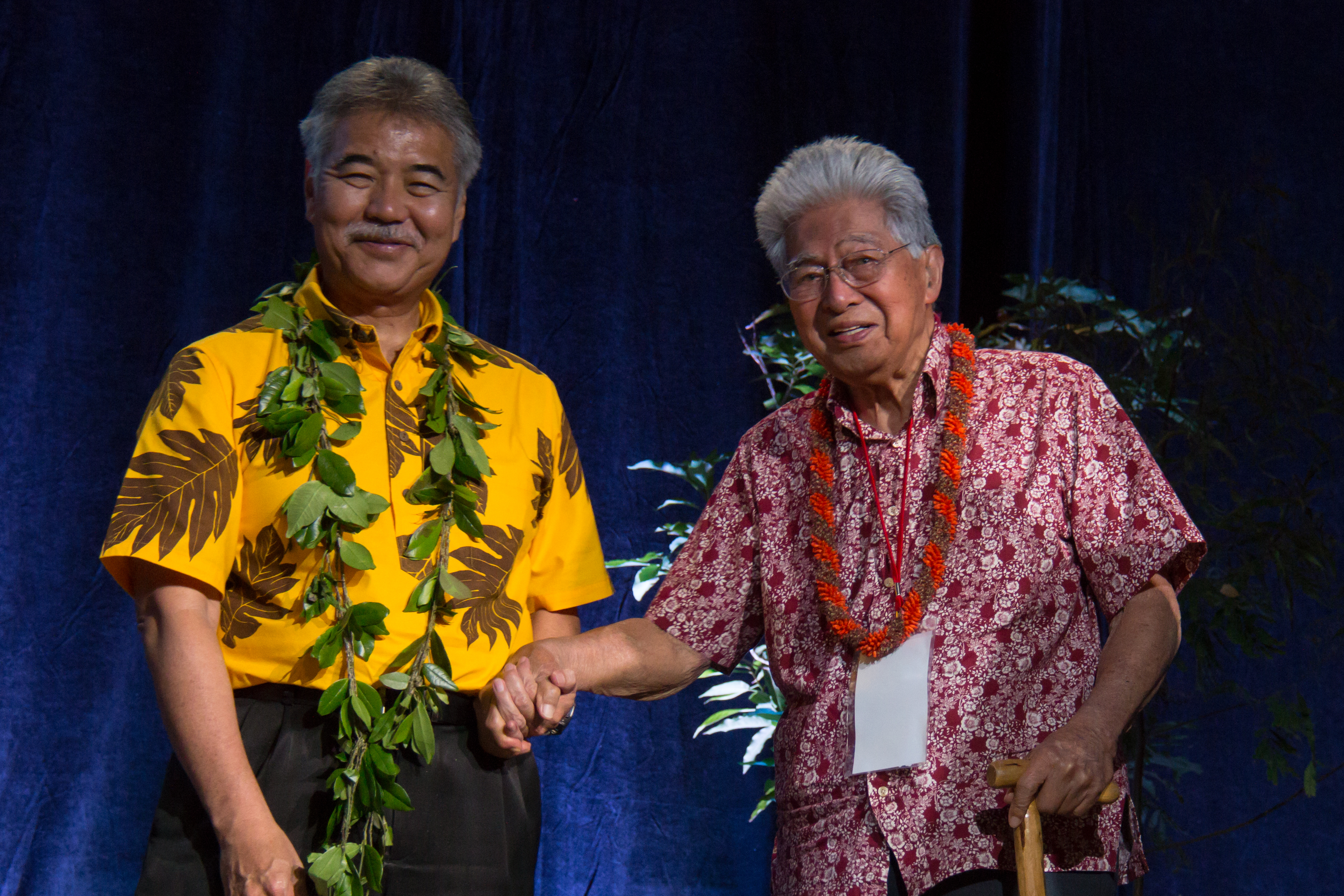
Leaving a Legacy of Sustainability for our Island Home
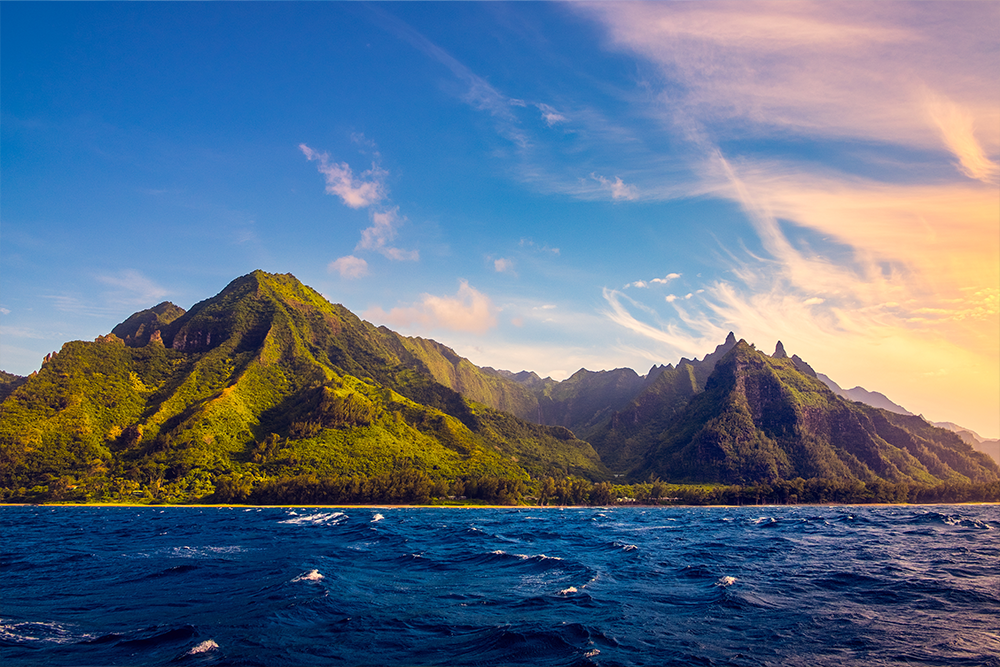
In September 2016, Hawaiʻi became the focal point of global environmental dialogue as it hosted the International Union for Conservation of Nature (IUCN) World Conservation Congress. This historic event marked the first time the prestigious Congress was held in the United States, drawing an IUCN record-breaking crowd of more than 10,000 participants from 192 countries. The international convergence of world leaders, scientists, indigenous knowledge holders, conservation practitioners, educators, and concerned citizens provided Hawaiʻi with an unprecedented platform to showcase its unique contributions to conservation and culture on a global stage.
The opportunity for Hawai‘i to host the World Conservation Congress followed on years of effort by dedicated Hawaiʻi conservation leaders — folks like former Governor Neil Abercrombie, former DLNR Board Chair William Aila and former DLNR Deputy Esther Kia‘āina, National Tropical Botanical Garden Director director and CEO and co-chair of the Hawai‘i IUCN 2016 Steering Committee Chipper Wichman, and former DLNR Board Chair and Board Chair for the Host Committee Tim Johns, with a diverse group of individuals and organizations — all of whom worked for over five years to put together a successful bid to bring the IUCN World Conservation Congress to Hawai‘i.
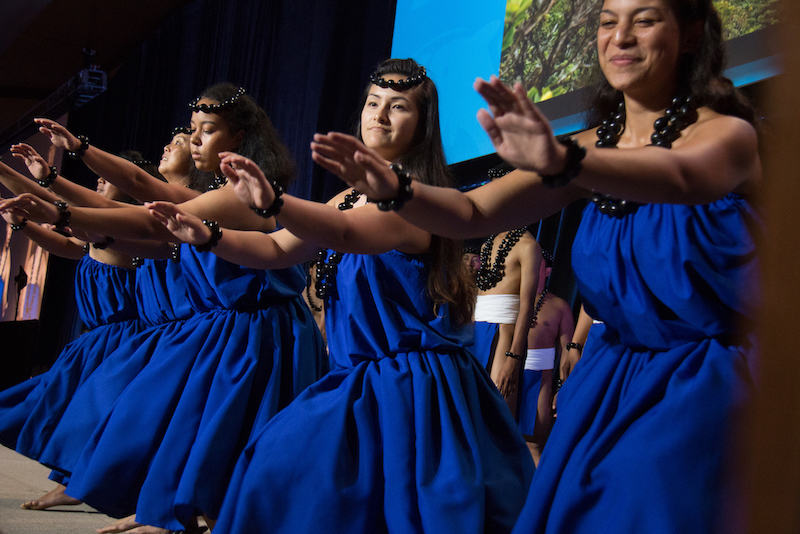
The IUCN Congress provided Hawai‘i, an island state, the opportunity to showcase its dual identity as both a global sentinel and a local steward—uniquely vulnerable to climate change impacts while rich in native ecological knowledge and community-based conservation models. Hawaiian culture, respect for and relationship with ‘āina, and audacious voyaging, figuratively and literally, were on breathtaking display at the opening ceremony organized by the Office of Hawaiian Affairs and parallel celebrations welcoming Pacific Islanders led by the inspiration of the Polynesian Voyaging Society.
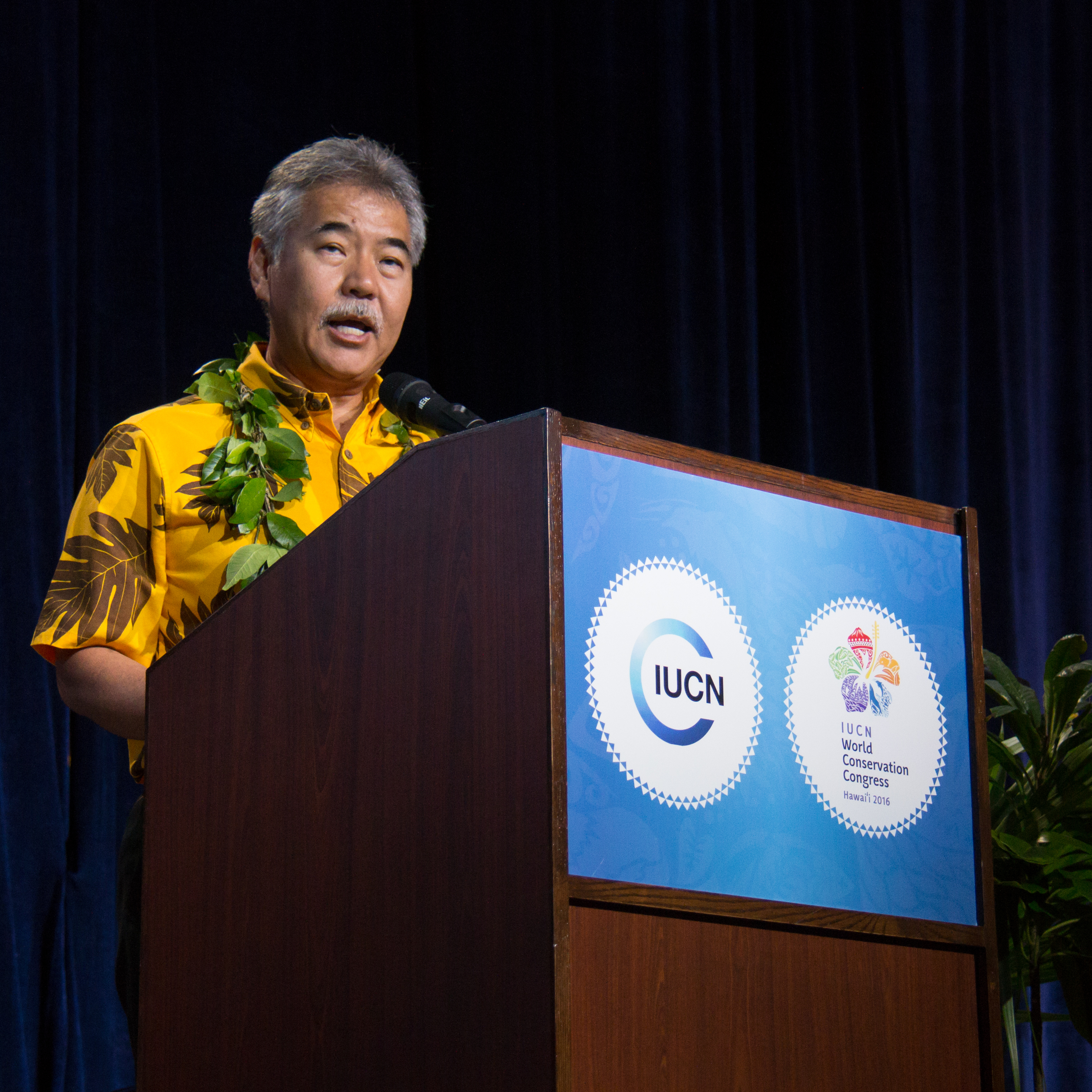
In his opening address to the Congress, Governor David Ige not only welcomed the global community to Hawai‘i, but also established a bold path forward for the state’s environmental future by launching the Sustainable Hawai‘i Initiative, a comprehensive vision to ensure the long-term health of the islands' ecosystems and communities. This ambitious plan set 2030 goals in five key areas: forest conservation, marine management, invasive species and biosecurity, local food production, and clean energy transformation.
Through the Sustainable Hawai‘i Initiative, he committed to actions to:
Safeguard freshwater supplies and biodiversity
Blending traditional practices with modern science
Address invasive species threats
Reducing dependence on imports and enhancing food security
Governor Ige also joined Hawaiʻi with Jeju in South Korea and Okinawa in Japan, all environment-focused island states in high-economy nations, to form the Global Island Partnership to promote culturally grounded, sustainable practices across island communities worldwide.
The Sustainable Hawai‘i Initiative reflected the Governor’s deep understanding that economic resilience, community well-being, and environmental health are inextricably linked. By aligning these goals under the broader Aloha+ Challenge—a statewide commitment to sustainability inspired by Pacific Island nations and endorsed by all four county mayors and the Office of Hawaiian Affairs—Governor Ige set a model that other island and coastal regions around the world could adapt.
Governor Ige’s leadership helped elevate the Congress from a dialogue to a launchpad for action. He used the occasion to highlight local success stories and invite international collaboration. “This is our moment to be in the world spotlight,” said Ige, a sentiment echoed by local organizers who saw the Congress as a generational opportunity to weave Hawaiian cultural values into global conservation efforts. Events such as the Hawai‘i Youth Challenge 2020, championed by First Lady Dawn Amano-Ige, engaged over 1,000 students in learning from international experts and designing legacy conservation projects for their schools. The inclusion of youth programming was a first for the Congress and reflected the Governor’s emphasis on building a sustainable future across generations.
Throughout the Congress, Hawai‘i’s natural beauty and deep-rooted conservation ethos were on display. The Hawai‘i-Pacific Pavilion featured panels on traditional fishing practices, native biodiversity, and the role of art in marine conservation. Delegates were introduced to innovative local programs tackling urban greening, biosecurity, and sustainable agriculture—efforts aligned with Governor Ige’s call for “investing in conservation as a smart economic and environmental strategy.”
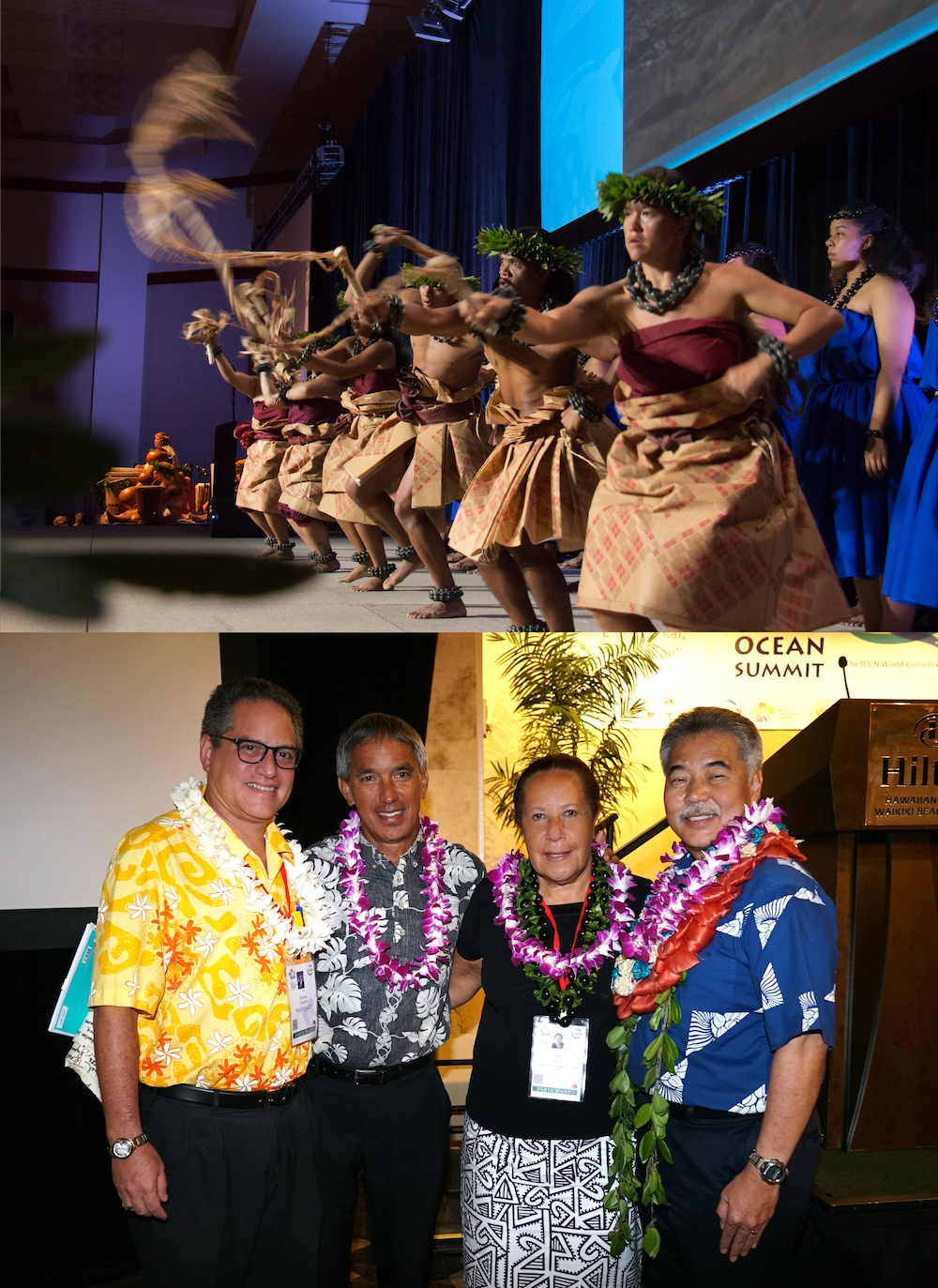
The Governor also supported seven “Made in Hawai‘i” motions, developed by environmental law students and community advocates, which called for international cooperation on issues like marine debris, invasive species, and community-based resource management. These motions, when merged with proposals from countries like Australia, demonstrated how Hawai‘i could influence global conservation policy through local innovation.
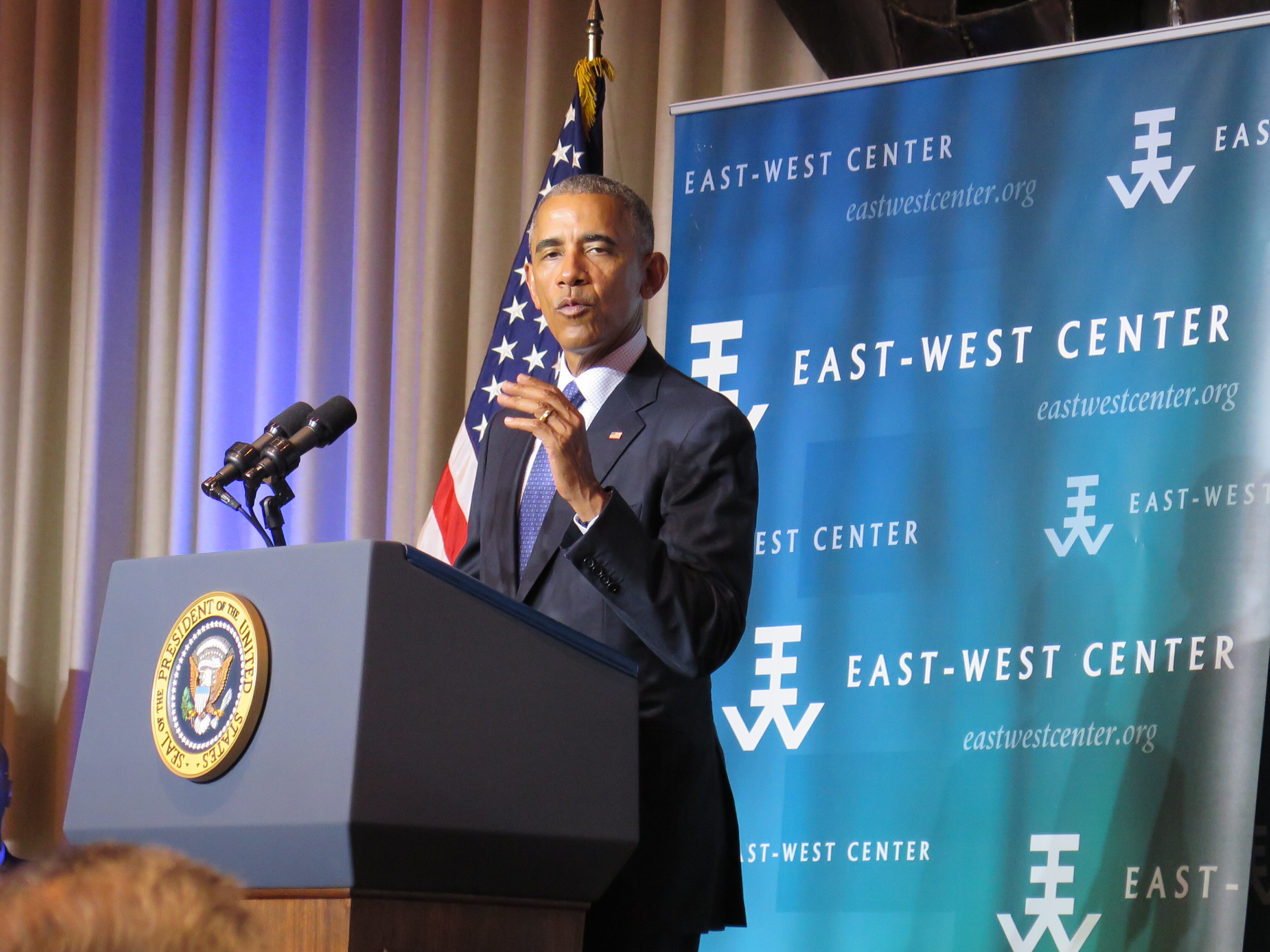
Immediately before the Congress, President Barack Obama signed a proclamation to expand the Papahānaumokuākea Marine National Monument, making it the world’s largest marine protected area. Governor Ige praised the decision, recognizing it as a milestone for marine conservation and a testament to Hawai‘i’s leadership in protecting both natural and cultural heritage.
Governor Ige successfully worked with the Department of the Interior ahead of the Congress to support the addition of the Office of Hawaiian Affairs as a co-trustee of the Papahānaumokuākea Marine National Monument, along with the State of Hawaiʻi through its Department of Land and Natural Resources, the U.S. Fish and Wildlife Service, and the National Oceanic and Atmospheric Administrations, to bring the Hawaiian cultural voice strongly into management of the Monument.
The IUCN Congress was more than an event—it was a call to action. Governor Ige stated, “The conclusion of the IUCN Congress is the beginning of the real work.” Under his direction, the state embraced this momentum. Agencies like the Department of Land and Natural Resources (DLNR) and the Department of Agriculture (HDOA) moved swiftly to align their missions with the Sustainable Hawai‘i Initiative. The DLNR expanded its watershed partnerships and coastal protection programs, with budgetary support from the Governor and the State Legislature, while the HDOA unveiled a comprehensive cross-agency biosecurity plan and continued its push to revitalize local farming.
Governor Ige’s work in support of the IUCN Congress exemplified his approach as a forward-thinking, pragmatic leader who grounded bold goals in measurable action. His engineering background brought a data-driven approach to sustainability, while his deep respect for Hawaiian values and community knowledge shaped his vision for a better future. The legacy of the 2016 IUCN World Conservation Congress is a Hawai‘i that leads by example—where “mālama ‘āina” (care for the land) is not just a value, but a guiding principle for global change.
In the words of Governor Ige: “Our natural world is a gift with limits. We must carefully steward this gift if we are to survive together.”