
Improving Quality of Life and Growing Our Economy
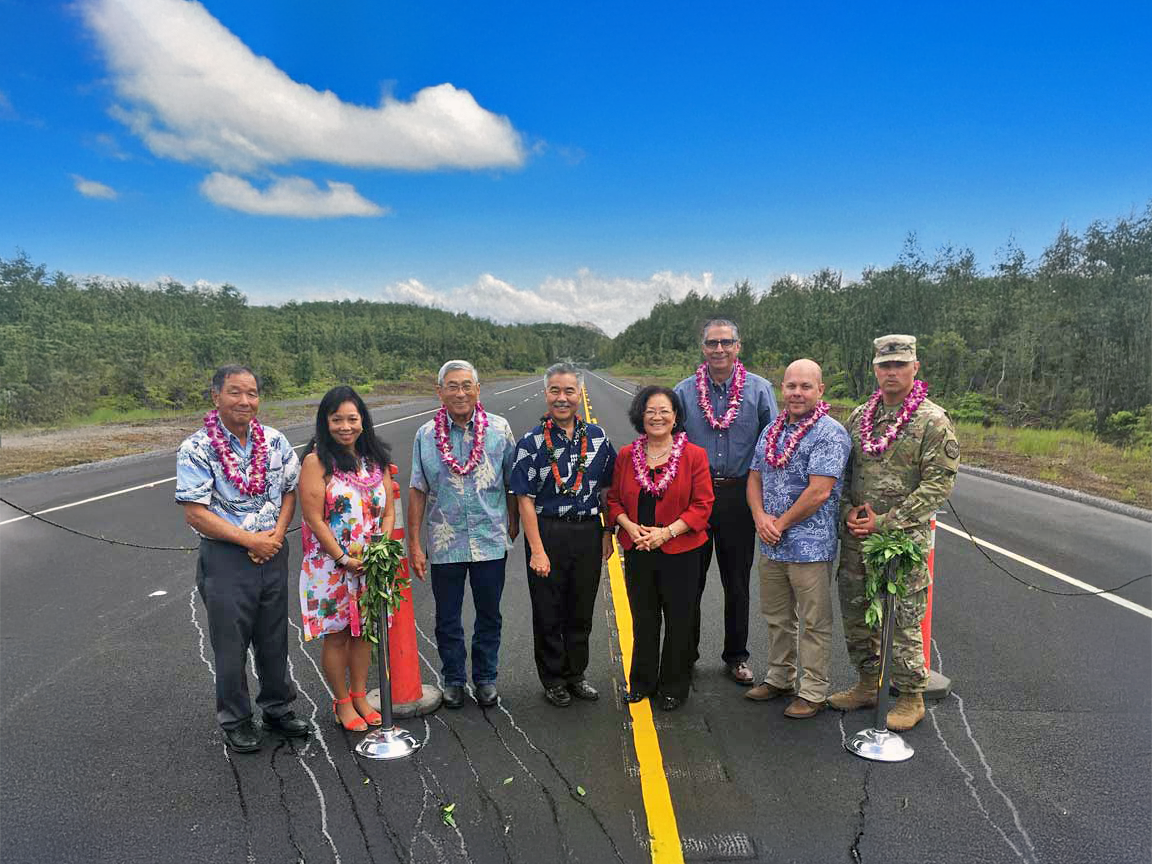
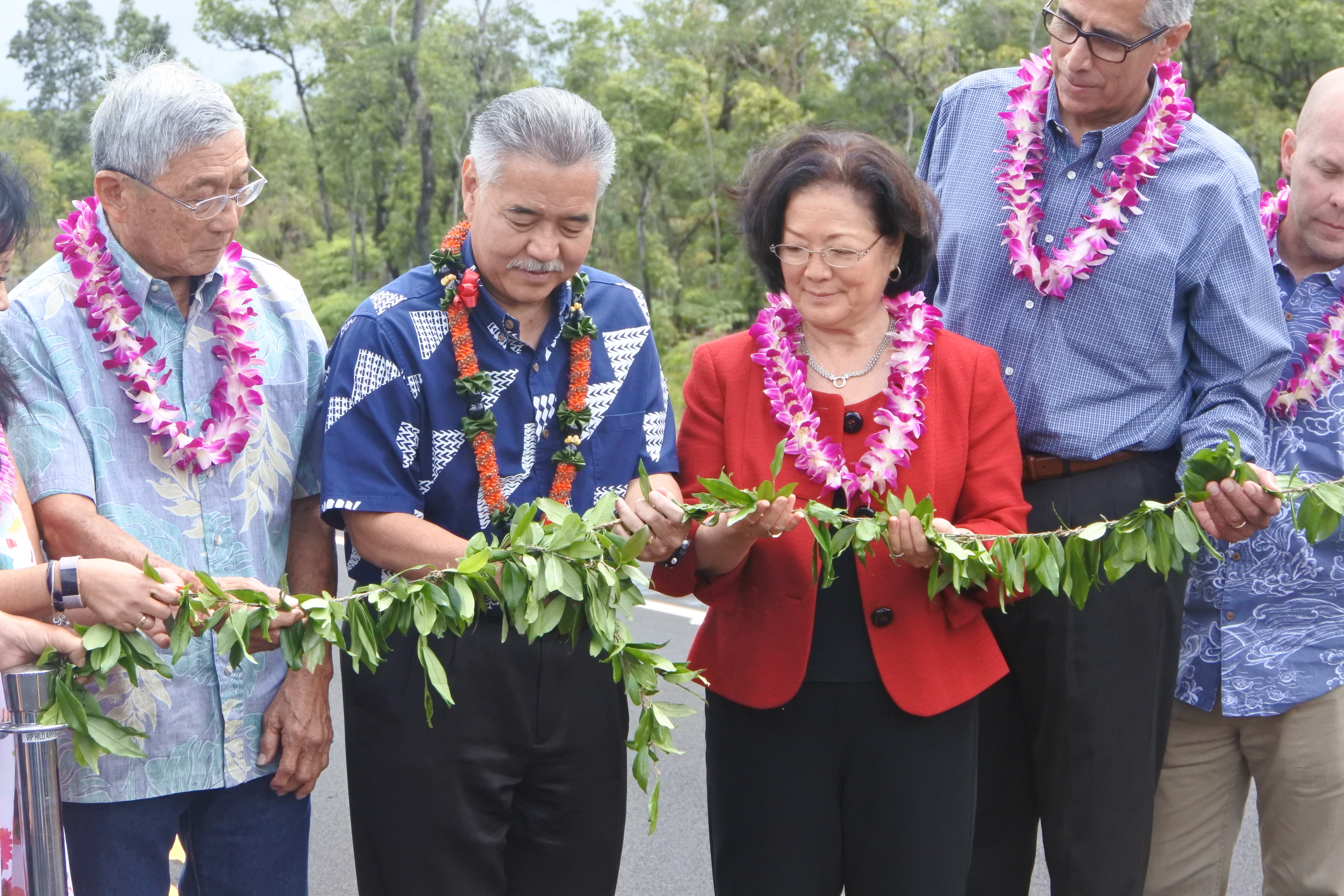
Investing in Hawai‘i's transportation infrastructure is crucial for enhancing the daily lives of residents and visitors alike. These strategic investments are a direct catalyst for economic growth, job creation, and the development of healthy, resilient communities.
"The state’s continued investment in public infrastructure will improve the quality of life in our communities. Highways projects will reduce time stuck in traffic, airport improvements will provide a better experience for our visitor industry, and harbor modernization will lower the cost of living. And these projects will create thousands of jobs.” Governor David Ige
The State of Hawai‘i embarked on an ambitious journey to modernize its vital transportation infrastructure, with two key programs announced within a year of each other. The Hawai‘i Airports Modernization Program, unveiled in March 2006, was a $2.3-billion initiative to elevate Hawai‘i's airports and ensure they were equipped to meet future demands for safety, capacity, and operational efficiency. This vision aimed to enhance the traveler experience and solidify Hawai‘i's position as a premier global destination.
Following closely, in December 2007, the State of Hawai‘i Harbors Modernization Program was announced. This was a substantial six-year, $842 million undertaking to overhaul the state's major harbors, improve port infrastructure, enhance cargo handling capabilities, and bolster the overall efficiency of maritime operations.
Despite grand visions for airport and harbor modernization, both initiatives stalled for nearly a decade due to changes in administration, shifting state priorities and waning commitment.
When Governor David Ige took office in December 2014, he knew that both programs were long overdue. Most importantly, he recognized that both would have a significant impact in improving Hawaii’s struggling economy.
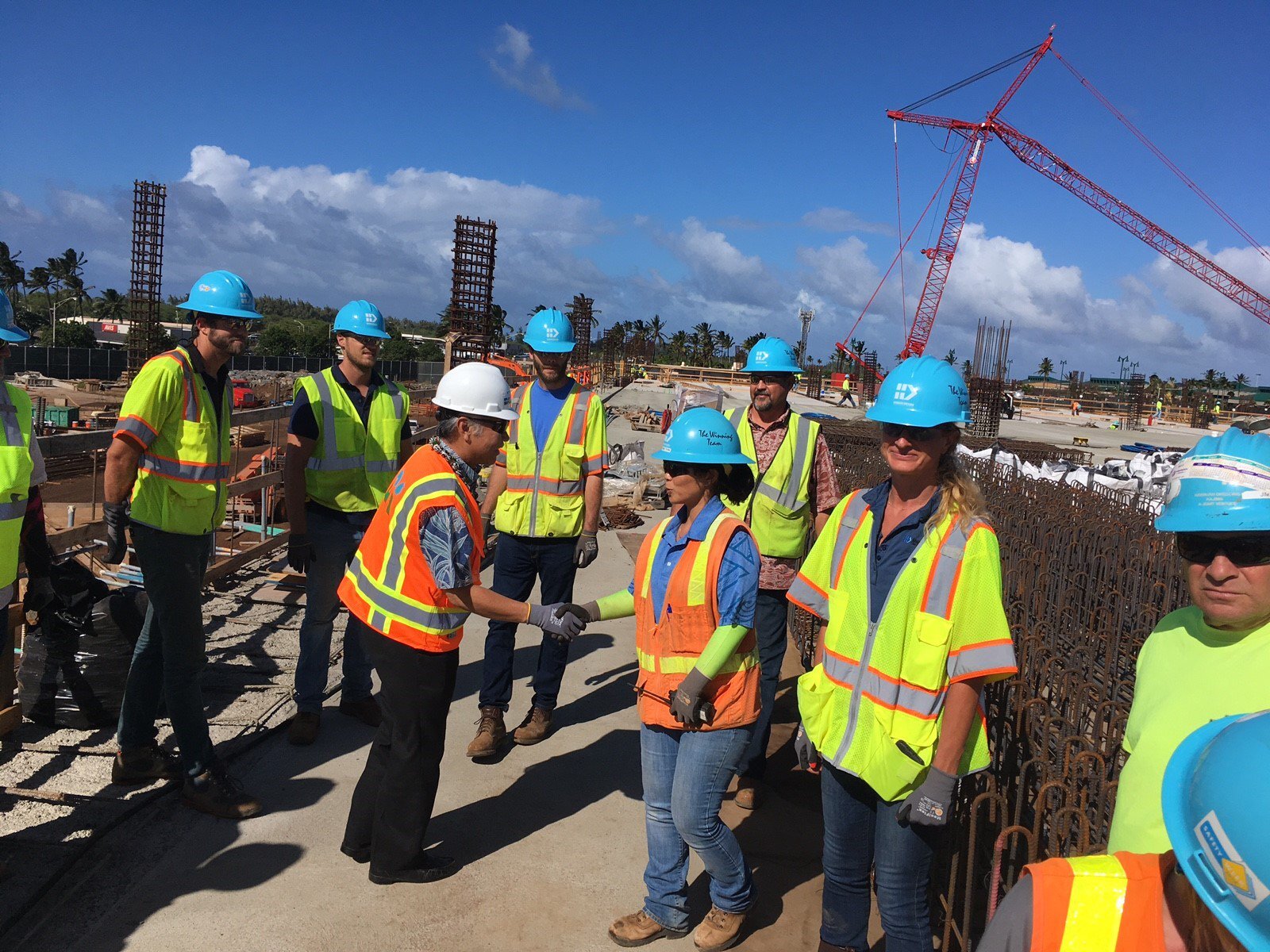
The Ige administration prioritized and invested in Hawai'i's transportation infrastructure, recognizing its crucial role in improving residents' daily lives, boosting the state's economy, creating jobs, and fostering a more sustainable and equitable environment. These efforts have focused on modernizing facilities, enhancing efficiency, and building resilience against environmental challenges, all while ensuring fiscal responsibility and promoting community engagement.
Key Strategies and Leadership Actions
Airports: Extensive modernization projects including new Consolidated Rent-A-Car (ConRAC) facilities at Honolulu ($377 million) and Kahului ($340 million) airports, entirely funded by a daily Customer Facility Charge. The Mauka Concourse terminal improvements ($255 million) in Honolulu were completed to allow for additional air service. A new permanent federal inspection station opened at Kona International Airport in October 2019, making it a second international entry point for the state and providing economic benefits. Restroom and hold room renovations were completed statewide, and Wi-Fi was installed at the five primary airports.
Harbors: Implementation of a comprehensive Harbor Modernization Program. This included dredging entry channels and harbor basins for five major commercial harbors in 2016. The Kapālama Container Terminal (KCT) Phase 1 in Honolulu Harbor was dedicated in March 2021, completed on time and budget at $174 million, with Phase 2 underway to increase cargo capacity by 40%. Improvements were also completed at the Hilo Interisland Cargo Terminal in 2016.
Roadways: Creative solutions to mitigate traffic congestion and improve safety, such as adjusting lane widths and creating shoulder lanes on the H-1 freeway, adding a second zipper lane, and establishing a contraflow operation on Farrington Highway. Widening projects were completed on neighbor islands, including the Queen Ka'ahumanu Highway. Emergency road maintenance was conducted to ensure major arterial roadways remained safe and open after natural disasters.
Maximizing Federal Funds: The administration made better use of federal transportation funds, reducing the Federal Highway Administration unexpended federal obligation balance ("pipeline") by $101 million in the first year, resulting in increased federal funding for highways projects.
Improved Bond Ratings: The Airports Division successfully improved its bond ratings, leading to lower borrowing costs for its modernization plans. In July 2017, the Airports Division secured the highest bond ratings (A+) for customer facility charge revenue bonds, saving approximately $24.8 million.
Public-Private Partnerships (PPPs): Leveraging PPPs with concessionaires at Honolulu International Airport led to $29.9 million in improvements at no cost to the state [2016, p. 10]. These partnerships also guaranteed future revenue growth and provided immediate ground rent from rental car companies.
Carbon Footprint Reduction: A 20-year energy savings contract executed in 2015 is projected to save $775 million in energy costs and already achieved a 43.4% improvement in annual energy use by HDOT Highways through LED replacements. Daniel K. Inouye International Airport (HNL) achieved Level 2 Carbon Accreditation, reflecting an over 18% reduction in carbon emissions. The Department's Highways Division is also researching environmentally friendly materials like carbon-injected concrete, saving approximately 25 lbs of carbon dioxide per cubic yard poured.
Climate Adaptation and Sea Level Rise Planning: The Statewide Coastal Highway Program Report, released in August 2019, identified roadway segments at risk from coastal erosion, with repairs already made to four of the top ten priority sites. HDOT also published the Climate Adaptation Action Plan and vulnerability study in May 2021, providing a comprehensive overview of threats to the State highways system and recommendations for mitigation.
Streamlined Processes: Installation of 32 self-service Automated Passport Control (APC) kiosks at the HNL Customs facility improved the entry process by reducing passenger processing times by 35-45%.
Improved Passenger Experience: Wi-Fi was installed at the five primary airports. Renovation of restrooms and hold rooms statewide. The HNL 2nd level metal roof was modernized for aesthetics and functionality.
Traffic Management Tools: Launch of MyGoAkamai, a free personalized alerting service that enhances the GoAkamai traveler information program.
Community Meetings: HDOT participated in an average of three or more community meetings statewide, and formed the Sustainable Transportation Forum to address sustainable modes of transportation.
Public Information: Implemented a distribution service for public notices, organized by island, district, and topics, including a weekly newsletter for communities with limited access during emergency work.
Vendor Accountability: Legally sought accountability from vendors who did not fulfill contractual obligations, such as in the Ciber lawsuit, recovering over $31.7 million.