
From “In the Red” to Record Highs
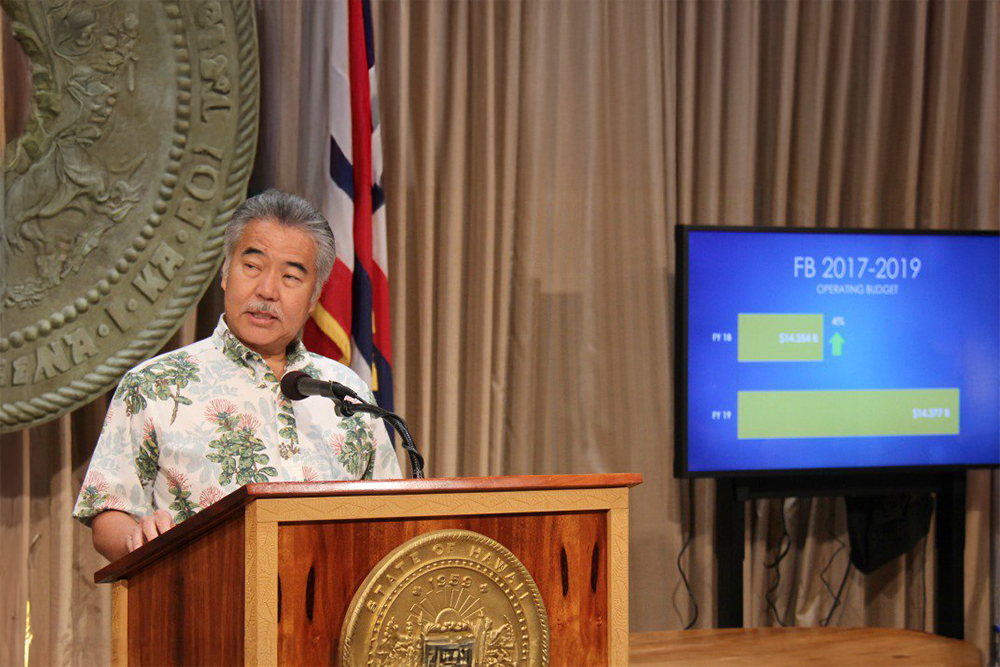
In December 2014, the State of Hawaiʻi's financial condition was characterized by a dwindling general fund balance, with the state spending about $200 million more annually than it collected in revenue. The general fund cash balance was projected to drop to $35 million, supporting over $6 billion in annual expenditures, and the “rainy day fund” held less than $100 million. The state was living “paycheck-to-paycheck.” Additionally, the state had made inadequate efforts to address unfunded retirement and health benefit liabilities, amounting to tens of billions of dollars. The state's tax system was inefficient, with 55% of tax returns filed by paper and tax deposits taking an average of 45 days to clear.
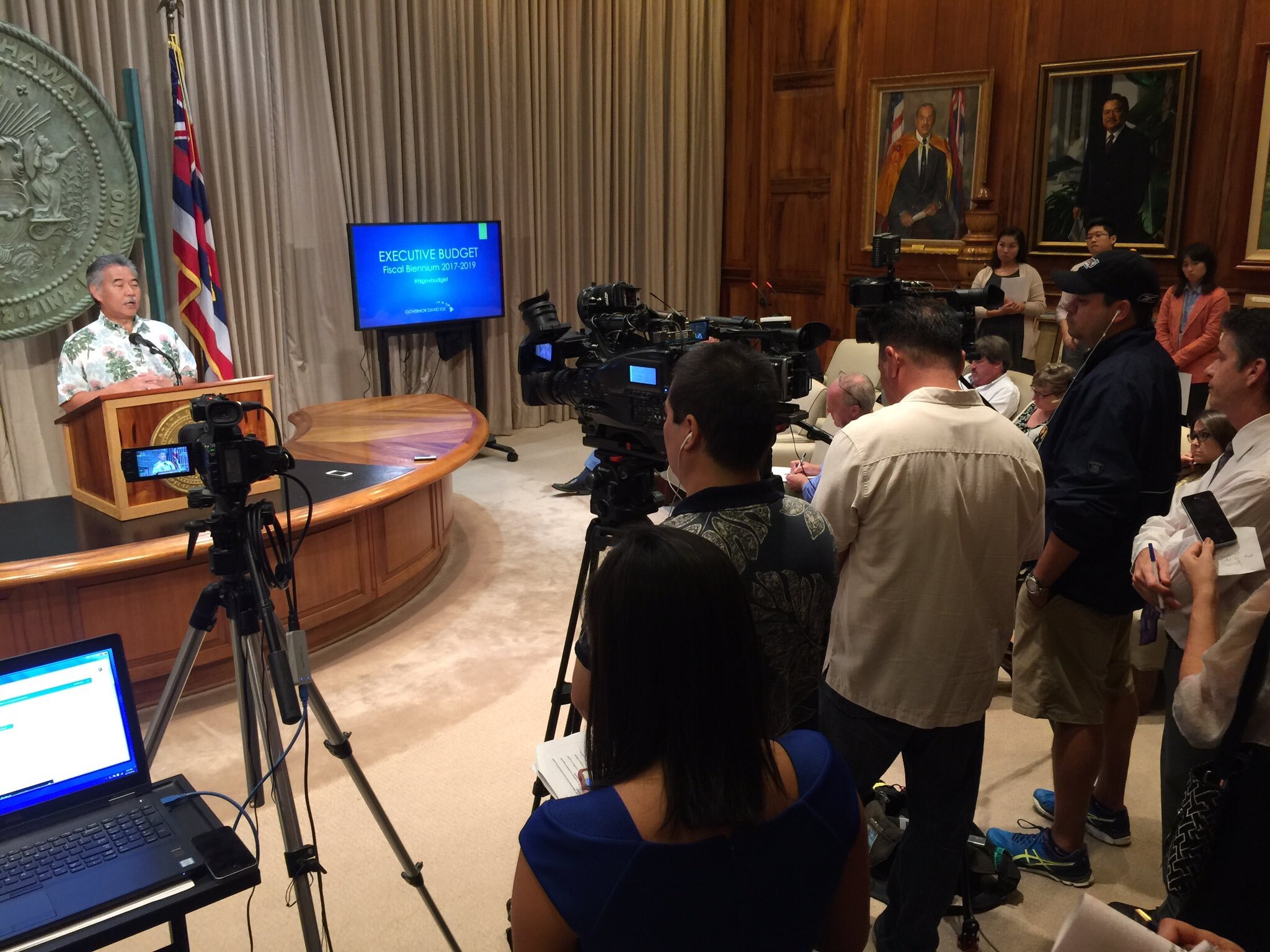

Governor Ige worked to restore sound fiscal practices and pride in public service, to recognize outstanding state employees, and to ensure that the state keeps its promises to public servants. Most importantly, he was committed to ensuring that our children would not be overburdened with this obligation. The administration implemented a comprehensive strategy that included:
Governor Ige prioritized and enacted laws to improve the funding of the state's pension system and OPEB liabilities. This included increasing annual funding to ensure the unfunded pension liability of $14 billion is paid down by 2044 and pre-funding OPEB costs (which he initiated as a state senator), reducing the unfunded OPEB liability to $8.1 billion by July 2021 and aiming for full elimination by 2044.
The state's rainy-day fund (Emergency and Budget Reserve Fund - EBRF) was significantly increased from $83 million in 2014 to a historically high $831 million, achieved in part by transferring $500 million from the general fund. Formal reserve policies were established to ensure fiscal stability.
The tax system modernization program was completed, improving the state's ability to administer tax laws efficiently. Efforts were also made to better utilize federal funds, resulting in tens of millions more for highway projects.
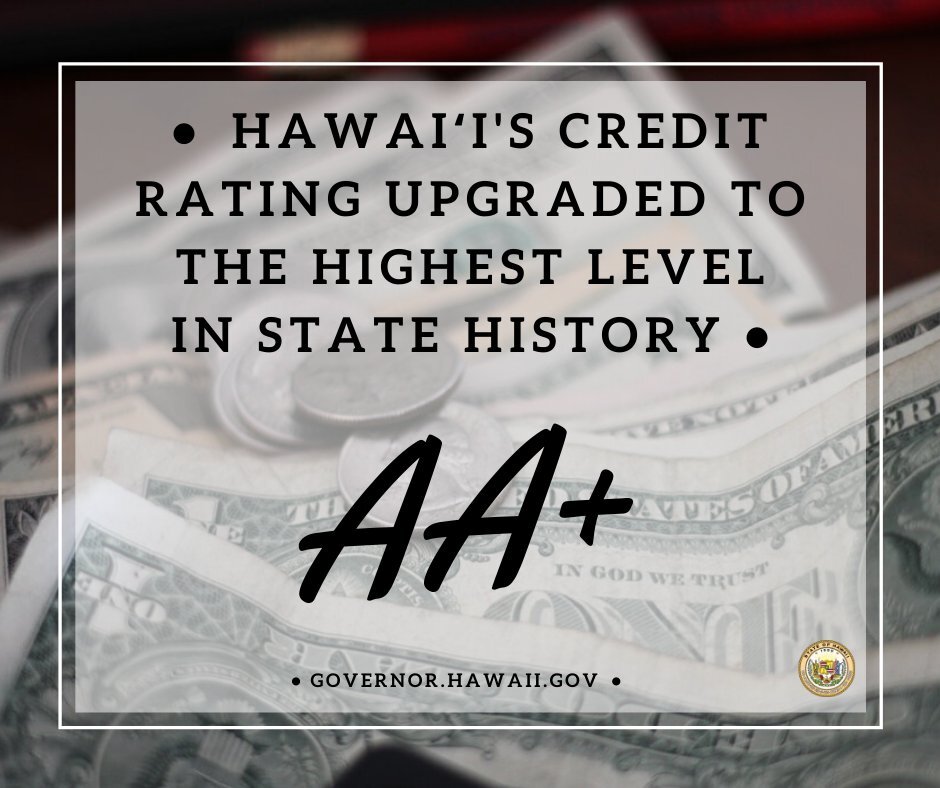
The administration's actions led to significant improvements in the state's credit ratings from Moody's, S&P, and Fitch, reaching the highest collective general obligation bond ratings in state history. This resulted in lower borrowing costs for the state.
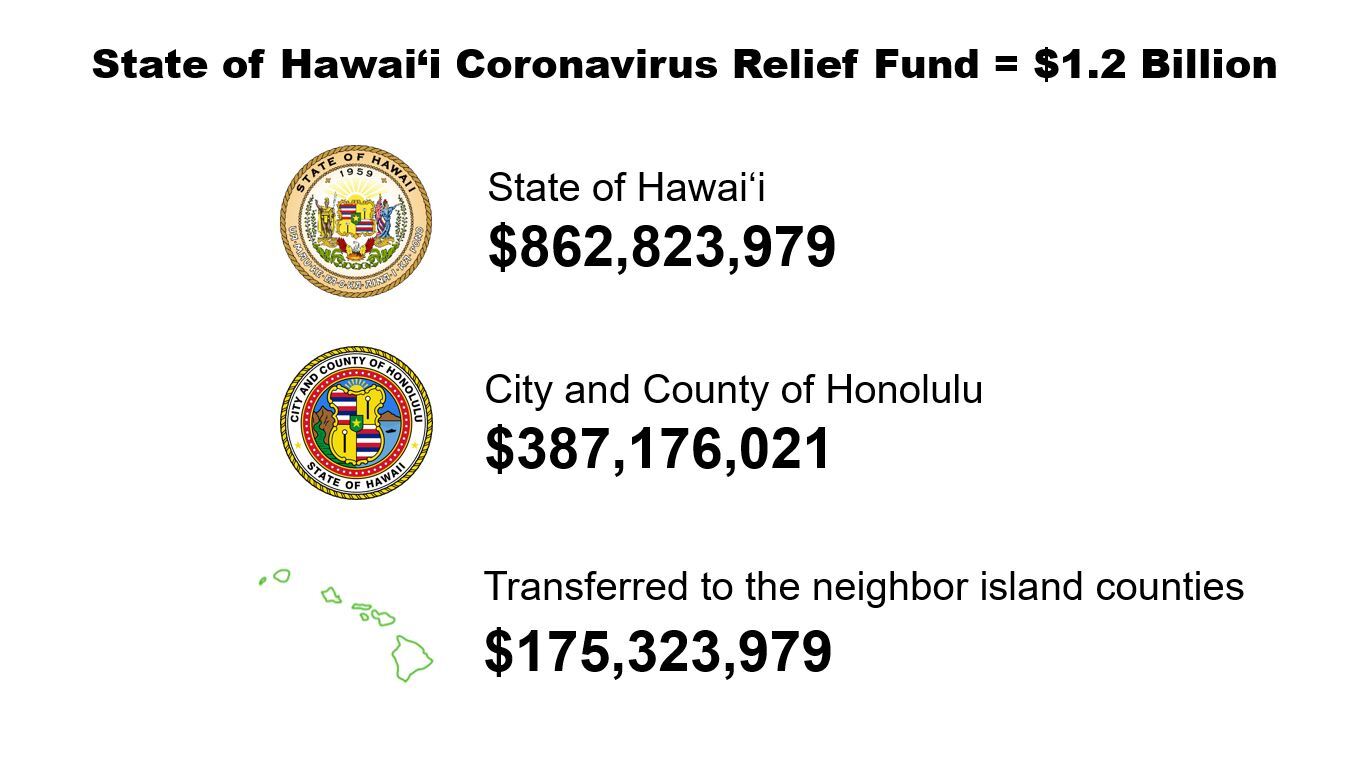
State reserves built up prior to the pandemic, along with billions in federal funding, played a crucial role in mitigating the economic and health impacts of COVID-19, allowing the state to avoid large-scale layoffs and program cuts. The "Safe Travels" program also helped accelerate economic recovery.
The state emerged from the pandemic in its strongest financial position ever, with record general fund balances and replenished reserves. A tax refund was proposed and enacted to provide relief to Hawaiʻi taxpayers.
Governor Ige's fiscal policies and commitment to financial discipline transformed Hawaiʻi's financial condition, leaving it with a solid financial foundation and the tools to maintain its strength going forward.
The financial successes of the Ige Administration include:
- Building the state's rainy day fund to $831 million.
- Ending fiscal year 2022 with a historically high general fund balance of $2.6 billion.
- Improving funding of the pension system, with unfunded liabilities of $14 billion now expected to be fully paid by 2044.
- Funding the Other Post-Employment Benefits (OPEB) liability to approximately $3.5 billion, or about 30% of the total OPEB liability, with a plan to eliminate it by 2044.
- Completing the tax system modernization program, which improved the state's ability to administer tax laws efficiently.
- Reducing the Federal Highway Administration's unexpended federal obligation balance by $101 million in the first year, leading to tens of millions more in federal funding for highway projects.
- Achieving the highest collective general obligation bond ratings and the lowest interest costs on general obligation bonds in the state's history.
- Filing Annual Comprehensive Financial Reports on time.
- Enacting Act 149, SLH 2015, which directed the Director of Finance to develop a state debt management policy and biennial debt affordability studies.
- Establishing the state's first formal State Reserve Policy, aiming to maintain at least 10% of general fund revenue in the emergency budget and reserve fund and at least 5% as a general fund balance.
- Conducting the first state Debt Affordability Study.
The Ige administration implemented a comprehensive overhaul of the state's tax infrastructure, completing it in 2019. This initiative was part of a broader effort to modernize the state's information technology systems, which were decades out of date.
Key measures of success of the new tax system, as part of the overall systems modernization, included:
- Improved efficiency: The comprehensive overhaul of the tax infrastructure addressed its outdated, costly, and unreliable nature.
- Reduced paper usage and costs: The transition to digital document management across state government, including the tax system, reduced paper printed by 24,000 pages per month, saving almost $5 million and over 2.5 years in paper, ink, printing, and employee labor costs.
- Faster service delivery: The modernization provided faster services to customers and allowed the government to communicate more effectively.
- Faster tax refunds: For example, in October 2022, direct deposit tax refunds were processed quickly, and mailed checks were distributed by the end of October due to the new system.
- Improved administration of tax laws: The modernization program enhanced the state's ability to administer tax laws efficiently.