
Advancing Health and Human Services in Hawai‘i
The Ige administration dedicated its eight years to championing the well-being of Hawai'i's residents, with an unwavering commitment that shone brightest during the unprecedented challenges of the COVID-19 pandemic. From the moment Governor Ige took office, his administration embraced a proactive and compassionate approach, rooted in the "Ohana Nui" philosophy, to ensure that healthcare access, treatment, and affordability were not just aspirations but tangible realities for all. This deep-seated commitment fostered a legacy of care, transforming the health and human services landscape of the islands and demonstrating a profound dedication to the prosperity of every family.
The Governor’s Record of Leadership
The Ige administration employed several key strategies to protect and improve the health and well-being of Hawaiʻi:
This multi-generational approach focused on the well-being of the entire family, starting with children, to break cycles of poverty and address issues like homelessness and drug abuse.
The administration consistently put the health and well-being of Hawai'i's residents first, as demonstrated by the focus on COVID-19 response and efforts to improve healthcare access and affordability.
Collaboration between state, county, and federal agencies, as well as with private organizations and community partners, was crucial in tackling complex issues like homelessness, opioid abuse, and disaster response.
The administration recognized the need to modernize state systems and embrace innovation to increase efficiency and improve public services. This included transitioning to digital document management and overhauling tax infrastructure. In healthcare, this meant creating integrated managed care programs and new facilities.
The use of data, such as tracking COVID-19 cases and death rates, and performance awards for programs like SNAP, allowed for informed decision-making and targeted interventions.
Actively pursuing and securing federal grants, such as the $8 million federal grant to combat opioid misuse, significantly bolstered state resources.
Programs like Kupuna Caregivers and the doubling of SNAP benefits through Da Bux demonstrated a commitment to directly supporting residents in need.
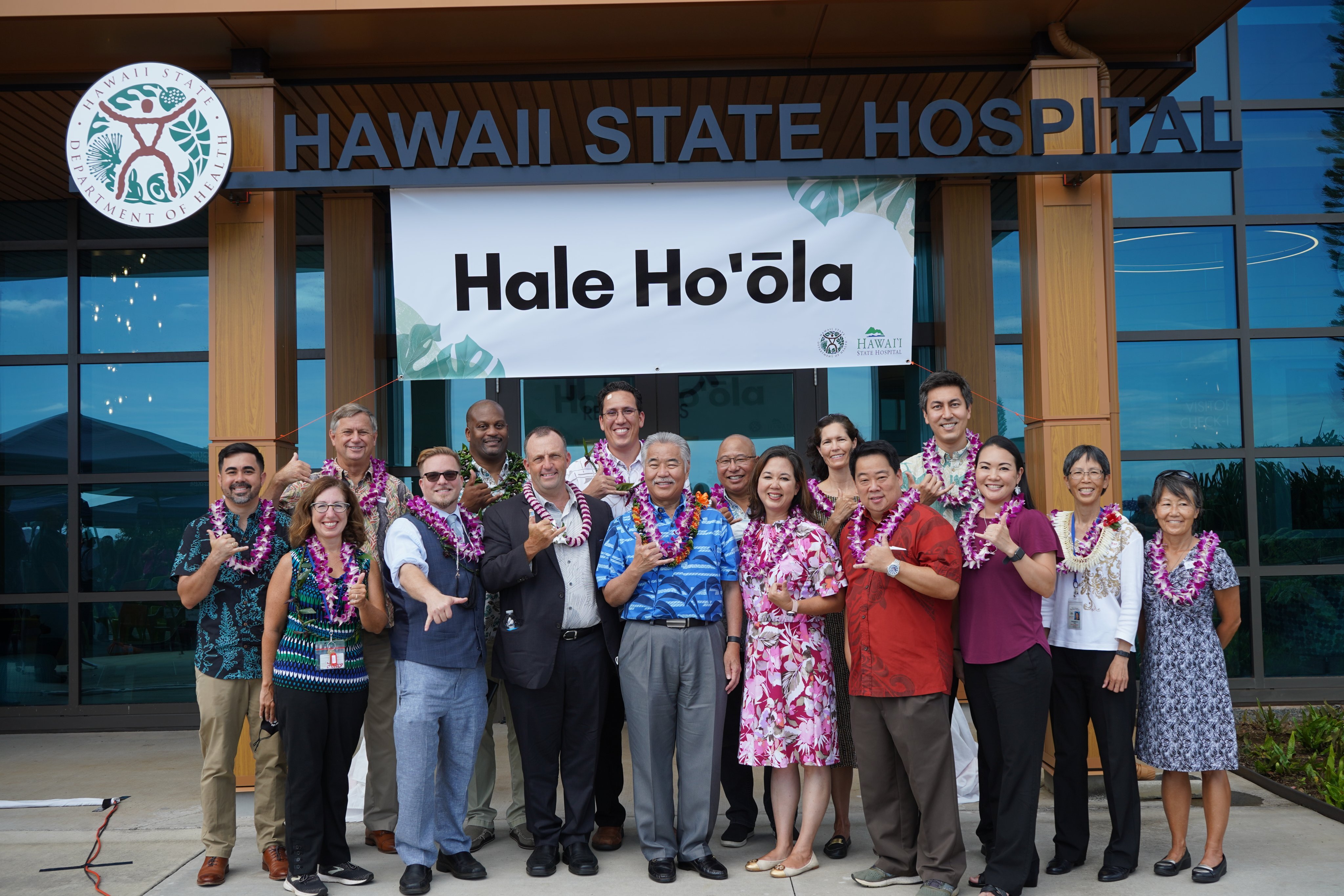
- Healthcare System Modernization: In April 2022, a new forensic mental health facility, funded with over $160 million, opened at the State Hospital in Kāne'ohe to provide better care for patients and a safer environment for staff. The administration also managed the transition of Maui State public hospitals (Maui Memorial Medical Center, Kula Hospital, and Lāna'i Community Hospital) to a public-private partnership with Kaiser Permanente affiliate, Maui Health System, in July 2017, ensuring continued quality healthcare for Maui County.
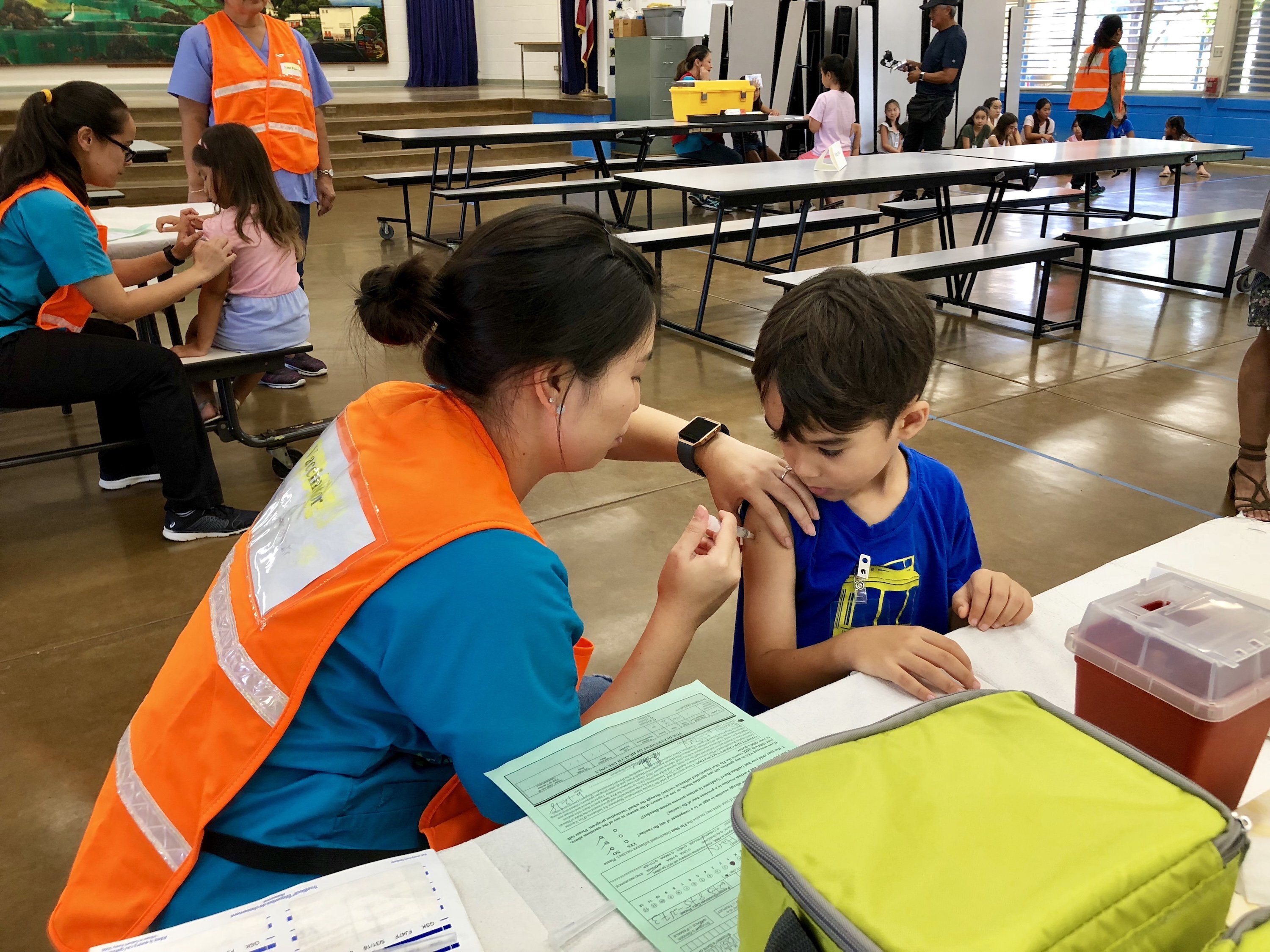
- Public Health Protection: The Department of Health actively fought vector-borne and food-borne illnesses like Hepatitis-A, rat lung worm disease, Dengue fever, Zika virus, West Nile virus, and Chikungunya by increasing public health surge capacity, including communications and vector control workers.
- Addressing the Opioid Crisis: The state and its partners formed an Opioid Abuse Prevention Workgroup to develop a strategic plan. Hawai'i received an $8 million federal grant over two years to combat opioid misuse, and in 2022, an Advisory Committee was established to determine the use of $78 million from opioid settlement funds.
- Innovative Caregiver Support: Hawai'i became the first state to pay eligible caregivers who work 30 hours or more per week, providing $70 a day for the care of elders aged 60 or older through the Kupuna Caregivers Program.
- Enhanced Human Services: The Department of Human Services, which serves one in four adults and nearly half of Hawai'i's children, received multiple performance awards for its Supplemental Nutrition Assistance Program (SNAP) during the Ige administration, leading to hundreds of thousands of additional federal dollars for food-insecure residents. The department also created QUEST Integration (QI), an integrated managed care program for 330,000 Medicaid beneficiaries, which is recognized as a national leader in managed long-term care. Additionally, the Office of Youth Services achieved a 20% drop in admissions to the Hawai'i Youth Correctional Facility.
- COVID-19 Pandemic Response: Hawai'i was ranked best in the nation on overall performance across 56 measures during the pandemic in 2020 by the Commonwealth Fund. As of July 2022, Hawai'i had the second-lowest number of COVID-19 cases per capita and the second-lowest death rate nationally. During the pandemic, Medicaid enrollees increased by 36%, and 32,000 families were added to SNAP, distributing $6.6 billion in benefits. Nearly $80 million supported childcare providers, and over 97,000 eligible students received $61 million in food assistance. The Department of Human Services averaged a two-day processing time for emergency requests. The State also matched a half-million dollar donation through the Da Bux program to double SNAP benefit value.

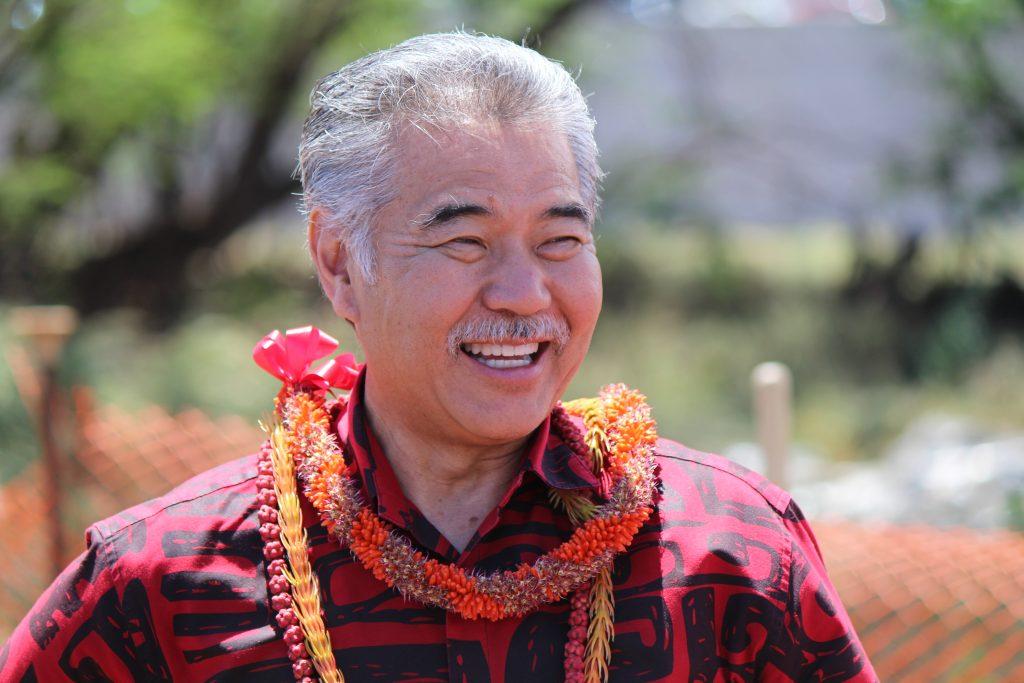
“We recently signed a historic agreement transferring the operation and management of the Maui Region health care facilities from the state to Kaiser Permanente. There is still work ahead but this is a great step forward. Thanks to all of you for working with us to make this happen.”
Governor David Ige, State of the State 2016